
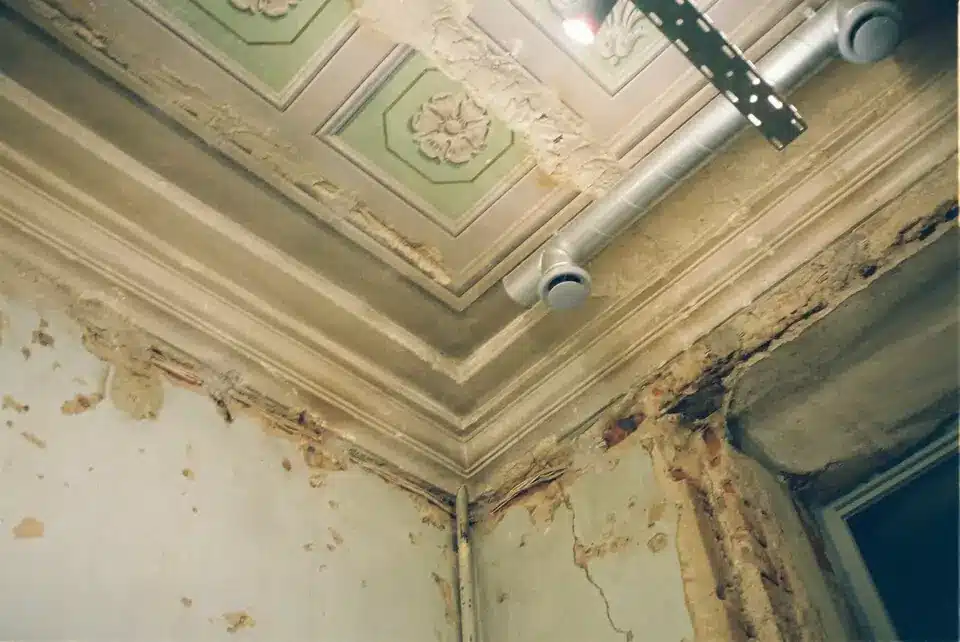
How to Prove Mold Exposure
Mold is dangerous for your health and if it is found in your home or workplace, you may have a claim and be able to seek compensation. However, for a successful case, you need to know how to prove mold exposure and find all liable parties.
This is not something to tackle yourself. Fortunately, Flaxman Law Group can help. With offices in Miami, Homestead, Hollywood, and Denver, we serve communities across South Florida and throughout Colorado. Contact us today for a consultation.
Table of Contents
ToggleWhy Proving Mold Exposure Matters in Legal Cases
Mold spreads quickly in damp conditions, and it doesn’t take long for a small leak to turn into a major problem. For legal purposes, however, the question isn’t just whether mold exists. You also need to prove it has caused harm.
Injury and property claims involving mold often hinge on evidence. Insurance companies, landlords, and property managers may argue that your health problems are caused by seasonal allergies, or that your property damage existed before the mold appeared. Without solid documentation, it’s easy for them to downplay your claim.
That’s why proving mold exposure is so important. Successful cases usually show:
- Direct link to health issues. Medical records can demonstrate respiratory problems, rashes, or other symptoms tied to mold exposure.
- Connection to property damage. Photos, inspection reports, or contractor records may show how mold affected walls, flooring, furniture, or HVAC systems.
- Evidence of negligence. Records showing that a landlord, builder, or insurer knew about the problem but failed to address it can establish negligence.
Flaxman Law Group helps clients build that bridge between the damage they’ve suffered, and the evidence needed to demand fair compensation. We have over 60 years of combined experience and we work with a network of expert witnesses, medical professionals, investigators, and other professionals who can secure strong evidence of your mold exposure.
Common Scenarios Where Mold Exposure Claims Arise
Mold claims come up in a variety of situations. Some examples we frequently see include:
- Rental properties. Tenants often discover mold behind cabinets or under flooring after months of water intrusion. Landlords may delay or refuse repairs, leaving renters in unsafe conditions, which often leads to landlord-tenant disputes.
- Condo associations. Leaks from one unit often spread mold into neighboring units. In some cases, common areas develop damp which spreads into nearby units. Disputes then arise between unit owners and associations over who is responsible.
- Storm-related flooding. After hurricanes or heavy rainstorms, properties can flood or sustain roof damage, leading to widespread mold contamination if not properly remediated.
- Construction defects. Poor ventilation, faulty roofing, or improperly installed plumbing can create long-term moisture problems that allow mold to thrive. In these cases, contractors may be held liable for shoddy repairs or manufacturers may be held responsible for low-quality products with a product liability claim.
- Workplace exposure. Employees working in older office buildings or schools may face mold exposure due to outdated HVAC systems or water damage that has been left untreated.
Every scenario involves its own set of legal challenges. At Flaxman Law Group, we evaluate the details of your living or working situation to determine where liability lies and how to pursue a claim effectively.
Medical Evidence of Mold-Related Illness
One of the most important (and challenging) pieces of a mold claim is medical documentation. Without it, insurers often argue that symptoms are unrelated. Because mold exposure can mimic seasonal allergies or asthma, detailed medical evaluation is key. One challenge, however, is that it can be difficult to link mold exposure to specific illnesses or symptoms.
Your doctors may run tests such as:
- Allergy testing to detect sensitivity to common molds.
- Blood tests to look for antibodies that show mold exposure.
- Pulmonary function tests to evaluate lung performance if breathing issues are present.
- Clinical notes documenting rashes, sinus infections, or chronic fatigue linked to mold exposure.
- Autopsy results and final medical records, in cases where someone has passed due to potential mold exposure and the family is filing a wrongful death claim.
If you’ve sought treatment, keeping a copy of your records is critical. The legal team at Flaxman Law Group often works directly with physicians to ensure the medical evidence aligns with the client’s legal claim.
Environmental Testing for Mold Contamination
Courts and insurance companies often want scientific proof of mold contamination inside a property. Environmental testing involves having professionals take samples of air and surfaces to determine:
- The type of mold present.
- The concentration of spores in the air compared to safe levels.
- The extent of contamination in different rooms or building systems.
- The likely cause, such as roof leaks, plumbing issues, or HVAC malfunctions.
Professionals may also use thermal imaging to determine where moisture is present. Once they have gathered data, they create reports, outlining their findings. These reports become powerful evidence in legal cases, particularly when combined with photos and repair records.
Documenting Visible Mold and Property Conditions
While professional testing is valuable, your own documentation can also make a significant difference. Many successful cases begin with something as simple as a photo snapped on a phone.
Here’s how to document mold effectively:
- The photographs and videos. Take clear images of mold growth, water stains, peeling paint, or warped flooring. Capture the progression over time if the issue worsens, and make sure to label each photo or video with the date and time.
- Maintenance request records. Save emails, texts, or written notices sent to landlords, HOAs, or property managers reporting mold or leaks.
- Repair records. Keep receipts or contractor invoices showing attempts to fix leaks, replace drywall, or clean HVAC systems.
- Personal journal. Note when your symptoms started, when repairs were requested, and how the issue has affected your daily life. Keep track of any time lost at work, or any money you have spent on trying to fix the problem.
Flaxman Law Group can review your documentation, organize it into a clear timeline, and present it in a way that demonstrates liability and damages. Our attorneys also work with a network of experts who can gather evidence and can corroborate your own observations.
Proving Landlord or Property Owner Negligence
Landlords and property owners have a responsibility to maintain safe living environments. That includes promptly fixing roof leaks, plumbing issues, and water intrusion that can spark dangerous mold growth. If they fail to do so and someone is injured, they can be held liable in a personal injury or premises liability claim. Unfortunately, many tenants discover their landlord ignored complaints or covered up problems. Negligence in mold cases often looks like one of the following:
- Failure to act on reports of leaks or dampness. For example, a landlord who ignores repeated maintenance requests about a dripping AC line can be held accountable if mold develops.
- Quick, inadequate repairs. Painting over mold stains or sending unlicensed workers to “bleach and patch” is not proper remediation. It is, however, far less expensive, which is why some landlords attempt these inadequate “repairs.”
- Lack of routine maintenance. Property owners should be proactive about inspecting roofs, HVAC units, and common plumbing lines.
Proving negligence requires showing that the landlord or owner knew or should have known about the issue but failed to fix it. At Flaxman Law Group, we often help tenants gather emails, text messages, maintenance requests, and inspection reports that paint a clear picture of neglect. When landlords argue that the problem was “minor” or “handled,” we know how to demonstrate that cutting corners puts your health at risk.
Linking Your Health Issues to the Mold Exposure
Mold exposure doesn’t affect everyone the same way. Some people develop severe respiratory symptoms, while others experience only vague symptoms such as a rash or headaches. It may not be clear these symptoms may be linked to their environment. Because these symptoms can mimic allergies or asthma, insurers and property owners often argue that health problems are unrelated. In addition, some people experience no symptoms at all, so two people living in the same space may have very different outcomes.
To overcome these challenges, you’ll need strong medical documentation. This may include:
- Records from doctors or specialists.
- Allergy or blood tests showing heightened sensitivity to mold spores.
- Pulmonary function tests when breathing difficulties are present.
For example, if your child’s pediatrician documents worsening asthma after moving into a rental where mold was found behind drywall, that timeline can help connect the dots. In addition, it can be helpful to work with expert witnesses who can more strongly explain the link between illness and mold to juries and insurers.
Expert Witnesses in Mold Exposure Cases
In many mold claims, testimony from expert witnesses is what tips the scales in favor of the injured party. These professionals provide independent, credible opinions that support your case.
Types of experts who may strengthen a mold claim include:
- Environmental specialists who can explain how leaks, humidity, or poor construction led to contamination.
- Industrial hygienists who test air quality and measure mold spore levels against accepted safety standards.
- Medical experts who connect your symptoms to exposure and explain the long-term risks.
- Construction or property management experts who show how the landlord or builder failed to meet basic safety requirements.
For instance, after a heavy rainstorm, an expert might testify that mold in your unit was caused by poor roofing maintenance that the condo board should have addressed years earlier.
Flaxman Law Group has a network of trusted experts we regularly work with, in part because we have many practice areas of focus and have worked on many kinds of cases. Because we’ve handled these cases for decades, we know which voices carry weight in courts and how to use their testimony effectively.
Challenges in Proving Mold-Related Claims
Even when the damage feels obvious to you, property owners, insurers, and defense lawyers often raise obstacles such as:
- Disputes over the source of exposure. They may argue the mold came from your personal belongings, not the building.
- Questioning the severity. Defendants often claim the mold wasn’t toxic or that levels weren’t high enough to cause illness.
- Blaming preexisting conditions. If you have asthma, sinus issues, or allergies, insurers may try to say your symptoms have nothing to do with mold.
- Technical defenses. Insurance companies may cite policy exclusions or claim that you failed to notify them in time.
Local challenges also matter. After storms in Florida or natural disasters in Colorado, for example, insurers are often flooded with claims and may delay or deny mold-related damage, saying the homeowner didn’t take “reasonable steps” to prevent it. Renters sometimes find themselves caught between unresponsive landlords and condo associations pointing fingers at each other.
How a Toxic Mold Lawyer Can Strengthen Your Case
Trying to navigate a mold claim on your own often means facing landlords, property managers, or multi-billion-dollar insurers with far more resources. In addition, these cases are complicated because they may rely on complex medical information. A toxic mold lawyer can level the playing field.
Here’s how Flaxman Law Group helps clients facing mold exposure:
- Building the evidence file. We help organize your photos, maintenance requests, medical records, and test results into a clear timeline.
- Bringing in experts. We work with trusted specialists to provide strong testimony on both health and property conditions.
- Anticipating insurance tactics. With insider knowledge from decades of handling claims, we know how to counter lowball offers and denials.
- Pursuing full compensation. This may include medical costs, lost income, property repair or replacement, and damages for the emotional toll of living in unsafe conditions. We make sure your full losses are added up so we can pursue fair recovery.
- Offering hands-on support. Unlike large firms where you may never meet your lawyer, we often help clients with temporary housing arrangements, referrals to doctors, and practical steps to get you headed towards healing.
If you or your family are dealing with mold-related illness or property damage, reach out today for a consultation. We know how to prove mold exposure in a way that is compelling for juries and insurers.