
Landlord Tenant Dispute Lawyers in Denver, CO

Table of Contents
ToggleAbout 51% of households in Denver are occupied by renters. Tenants and landlords both contribute to the local economy and in general work well together.
However, if you’re a renter or landlord and there are issues with the tenancy, you may want to consult with landlord tenant dispute lawyers in Denver, CO by calling Flaxman Law Group at 970-999-0530. We can discuss mediation and other alternatives you may have to protect your rights.
Navigating Denver, CO Landlord & Tenant Laws
Whether you’re a landlord or tenant, you need to be aware of the laws governing your rental agreement so you understand how to protect your rights.
For example, in Colorado landlords can charge a security deposit and they must return that deposit to renters at the end of the lease, minus any deductions. Landlords must also provide at least 60 days’ notice before increasing rent for month-to-month leases. For longer leases, the terms regarding rent increases should be outlined in the agreement.
Landlords are further required to maintain rental properties in a habitable condition, and tenants have the right to request repairs for health and safety issues. This can include concerns related to moisture, ventilation, and tenant rights and toxic mold problems in apartments, which may arise when properties are not properly maintained. Tenants also have the right to privacy, meaning landlords must provide reasonable notice before entering a renter’s unit. There are further strict laws in place about the eviction process.
In Colorado, landlords cannot discriminate against tenants based on race, color, national origin, religion, sex, familial status, or disability. Tenants are also protected from retaliation for exercising their legal rights.
When landlords rent properties built before 1978, they must provide tenants with information about lead-based paint hazards, along with a disclosure form.
These are just some of the laws that protect landlords and tenants, negotiating these laws can be challenging. For example, what happens if a tenant does not pay rent and is evicted, but claims the landlord used an illegal eviction process? Sometimes, landlords and tenants simply disagree about the law.
The relationship can become extremely complicated, too. What if a tenant passes away on the premises? Does the renter’s family have a wrongful death claim if there were dangerous conditions in the rental? What about building materials—if they’re unsafe and cause a tenant to become ill, does the renter have a products liability claim and a claim against the landlord?
Working with landlord-tenant dispute lawyers in Denver, CO cuts through the confusion. Whether you’re a landlord or renter, a lawyer can protect your rights and can help get both of you on the same page. It’s not even always necessary that your case ends up in court. In many cases, lawyers work to resolve your situation quickly and easily, without you having to go through an expensive trial. If you’re having trouble seeing eye to eye with either your landlord or tenant, contact Flaxman Law Group at 970-999-0530 for a consultation with a landlord-tenant dispute attorney at our Denver offices.
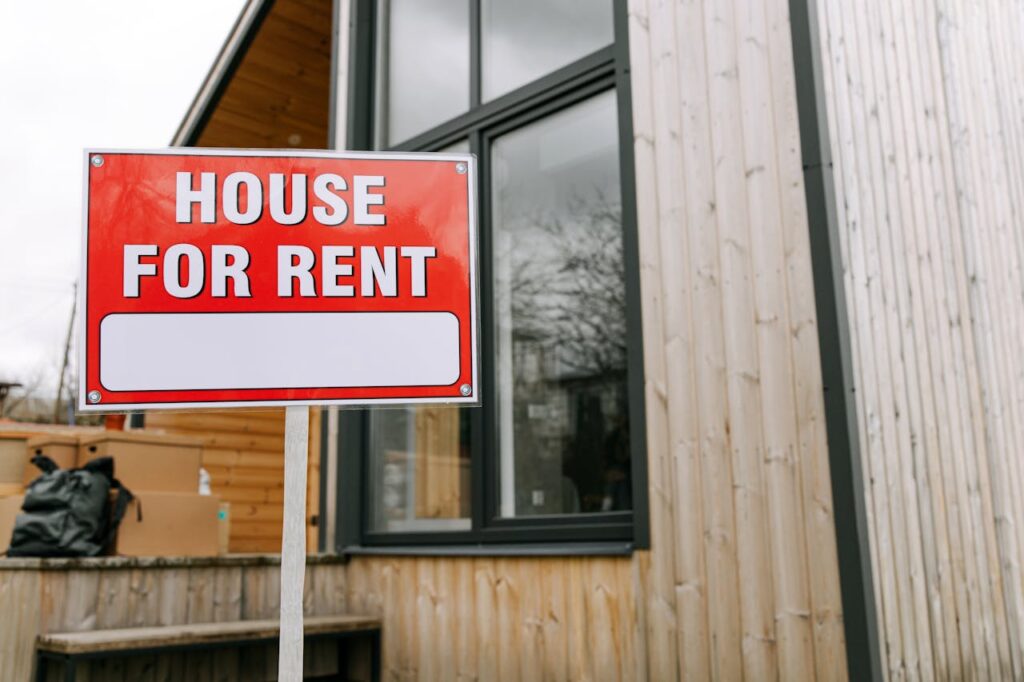
What are Examples of Landlord Disputes?
Landlord disputes can arise for various reasons. Here are some common reasons why disagreements take place:
- Non-payment of rent. One of the most frequent disputes occurs when tenants fail to pay rent on time. This can lead to conflicts over late fees and eviction notices.
- Maintenance. Tenants may feel that their requests for repairs are being ignored, while landlords might argue that they need more information or access to the unit.
- Security deposits. Conflicts can emerge over the return of security deposits. Tenants might dispute deductions for repairs or cleaning, while landlords may believe the deductions are justified based on property conditions. Essentially, the two parties may disagree over what amounts to “wear and tear” and what is “property damage.”
- Lease violations. Landlords may issue warnings or take action against tenants for perceived lease violations, such as pets, unauthorized subletting, or excessive noise. Tenants may have different interpretations of lease terms and may argue their behavior is allowed under lease terms.
- Entry to the property. Disputes can occur if landlords enter the unit without proper notice or justification, or if tenants refuse to allow landlords to enter their homes for necessary repairs and maintenance.
- Evictions. Tenants may contest evictions, claiming they were improperly notified or that the landlord didn’t follow legal procedures. Landlords may want to reclaim their property if a renter has violated the terms of the lease, and may become frustrated if a tenant refuses to leave.
- External issues. Tenants might raise concerns about noise from other units or inadequate security measures, leading to frustration with landlords who may feel they have limited control over external factors.
- Legal claims. If a renter is injured when the property is undergoing renovations, the tenant may have a personal injury or construction site accident When tenants feel they are being discriminated against, they may also file a legal claim against their landlord.
- Alterations. Tenants wanting to make changes or improvements to the rental unit (like painting or renovations) may face resistance from landlords who have strict policies against modifications.
- Illegal activity. For landlords, one of the biggest concerns involves illegal activity on their property. When renters use or sell illegal substances, steal, or otherwise engage in unlawful behavior, it can cause property damage and can make it harder for landlords to attract quality tenants. In addition, it can make landlords vulnerable to liability in case of a personal injury claim.
Addressing these disputes early can often prevent them from escalating. Both landlords and tenants may also benefit from working with landlord-tenant dispute lawyers in Denver, CO. Experienced attorneys can inform both parties of the legal requirements of tenant-landlord relationships and can work to settle disagreements.
How To Prevent Tenant Legal Disputes?
Preventing landlord-tenant disputes requires clear communication and mutual respect. Landlords can foster these two qualities by:
- Creating a detailed lease that outlines all terms, and discussing this document with tenants before the move-in date, to make sure everyone agrees and understands this contract.
- Regularly checking-in with tenants and keeping the property in good condition.
- Addressing maintenance requests promptly.
- Always providing proper notice before entering a tenant’s unit, except in emergencies.
- Keeping written records of all communications.
Tenants, too, have a responsibility to the landlord-tenant relationship. Renters can show respect and care by:
- Understanding the lease before signing it.
- Communicating any issues or problems clearly and respectfully in writing.
- Keeping records of the rental agreement, rent paid, and maintenance requests and repair work completed.
- Treating the rental unit with care by keeping it clean and by not being too hard on the furnishings and finishes of the unit.
- Not making unauthorized changes, such as painting or changing the tiles.
- Not making excessive noise or disruption.
- Keeping common areas clean.
- Following the terms set out in the lease.
Both landlords and tenants can enter into their agreement with a spirit of cooperation and work to assume the best about each other. If, despite your best efforts, disagreements arise, consulting with landlord-tenant dispute lawyers in Denver, CO as soon as possible can be a good idea. Attorneys can protect your rights and can even work to prevent the disagreement from escalating. A neutral third party can help facilitate communication and a lawyer can even help you avoid an expensive lawsuit.
If you’re looking for landlord-tenant dispute lawyers in Denver, CO, contact Flaxman Law Group at 970-999-0530 for a consultation. Our law offices in Denver are here for you, whether you’re a landlord or a tenant. We work to make sure your issue gets resolved in your best interest.
Contact Flaxman Law Group Today
Get answers to your landlord-tenant questions. Our team is here to help you understand your rights and explore your options.
What Are the Legal Requirements for a Lease Agreement in Denver, CO?
When creating a lease agreement in Denver, CO, you’ll want to ensure it’s valid and enforceable. Here’s what you should include:
- A written agreement. While verbal leases can be valid, having a written lease more clearly outlines the terms and helps prevent misunderstandings.
- The parties involved. The lease should clearly identify the landlord and tenant, including their full names and contact information.
- Property description. Your lease agreement must include a detailed description of the rental property, including the address and any specific unit number if applicable.
- Terms. The lease should specify whether it’s for a fixed term (usually for one year) or month-to-month lease, along with the start and end dates.
- Rent. The lease agreement should state the amount of rent due, the payment schedule (whether weekly, monthly, or another schedule), and acceptable payment methods.
- Security deposit. If a security deposit is required, the lease should specify the amount and the conditions for its return.
- Maintenance responsibilities. The contract should outline who is responsible for maintenance and repairs.
- Rules. The agreement must include any rules regarding the use of the property, such as pet policies, smoking regulations, restrictions about subletting, noise restrictions, and any other regulations.
- Termination conditions. The contract should outline the conditions under which either party can terminate the lease, including how much notice each party must give and grounds for eviction.
- Signatures. Both the landlord and tenant must sign the lease agreement to make it legally binding. It’s important to date the signatures as well.
Having a well-structured lease agreement protects both the landlord and tenant, but a problem can arise if the contract is verbal or if everything isn’t clearly outlined. If your lease contract contains errors or doesn’t clearly define both parties and a landlord-tenant dispute happens, it’s best to work with landlord-tenant dispute lawyers in Denver, CO who can protect your rights, even in the absence of an enforceable contract.
What are Common Tenant Concerns?
Tenants move into a rental home, hoping to build a life in their new condo, apartment, or house. Over time, though, they may find that there are issues with the property or the rental agreement. Here are some common issues that frequently arise:
- Maintenance. Tenants want to know that any repairs, from leaky faucets to heating problems, will be handled promptly. This is one of the top issues for renters.
- Safety. Tenants are typically worried about their safety. They want to ensure the building is secure, which includes adequate locks, lighting, and overall neighborhood safety. Renters want to avoid slip and fall injuries and other injuries that can happen when a property is not maintained.
- Lease terms. Understanding the lease agreement can be a major concern. Tenants may seek additional information on rules regarding pets, noise, and other aspects of property use. It’s important that landlords are available to address these questions in a clear way, and it’s best to keep these exchanges in writing so that both parties have a record of expectations.
- Rent hikes. Many tenants worry about sudden rent hikes, especially if they’re on a month-to-month lease. They want transparency about how and when rent can be increased.
- Privacy. Tenants value their privacy and want assurance that landlords will offer proper notice before entering the property.
- Common areas. Renters want to know that any common areas, such as parking lots and pool areas, are safe and well-maintained. If tenants are injured in these areas, they may have a premises liability claim.
- Security deposits. Tenants often want to know what security deposit deductions will be made and under what circumstances.
- Neighborhood conditions. Issues like noise, cleanliness, and the overall condition of the surrounding area can also be a concern for tenants. While landlords may not be able to change the neighborhood where their rental is located, they may be expected to provide security that matches the area’s risk.
- Additional costs. Tenants often want clarity about which utilities are included in the rent and which are their responsibility, as well as any additional fees that may apply.
- Evictions. Renters sometimes worry about being evicted illegally or being forced out of their home. They look for reassurance that their landlord will act in good faith.
Good communication between renters and landlords can help assuage some of these worries, and so can a solid rental agreement that outlines what tenants can expect. When tenants feel their concerns are being addressed, it often leads to greater satisfaction with their rental situation.
Related Pages
FREE CASE REVIEW
50+ Years of Combined Experience,
Personal Attention to Every Case
Testimonials
Excellent rating
Based on 88 reviews

 I hired Steven for black mold in my rental that made me and my very young children extremely sick. My landlords put bleach on the black mold and painted over it and called it good. Before I hired Steven my landlords were already trying to pay me not to report them or sue them for the horrendous amount of mold that was growing underneath the tile. All functional medicine Dr's are out of pocket and don't take insurance. My landlords finally hired a professional cleaning company when they began to remove the black mold the cleaning company told me that was the worst mold infested place they have ever seen in their career. The cleaning company was sick from being inside and had to wear respirators. Every medical record I sent Steven he would tell me they weren't good enough, even though they said I was coughing up blood, had a bad rash from the black mold, got osteoporosis at a young age. My kids brains are inflamed from the black mold, my son got asthma,lung nodules, heart palpitations and liver damage. Both my children have PANS a neurological syndrome. My daughter has to have a 504 plan at school due to breathing issues and brain inflammation. I can't get my son to go to school or leave the house. When I seen the functional medicine Dr she looked at my blood work and explained to me how mold gets inside your bodies from inhaling the mycotoxins that black mold produces. I then contacted Steven again and he told me the mold is unlikely inside your body, and it's not an issue. He also told my landlords lawyer. ( FYI they are getting testing done which I've seen before that connects health issues to mold exposure) I was very upset with Steven so I told him I was going to report him to the Bar association and he tried to pay me half of what I paid him not to report him. I also told him I would write a review and he offered me the whole amount back that I paid him. He also told me well you could have moved when you found the mold, like I didn't try it's a little hard to be able to afford a deposit plus first months rent on a new place when I was off work for over 2 months from mold destroying my immune system, breaking my leg from getting osteoporosis from the black mold, paying Dr bills and er visits. He also told me to get treatment my insurance will cover. Knowing functional medicine Dr's only accept cash. I would not recommend Steven.+3
 Kristi Carter9 days agoHighly recommend Steven and Flaxman Law Group. I worked with them when I had a car accident and recently worked with Steven on a landlord-tenant. I truly appreciated the care and attention put into my case. Steven ensured all my questions were answered so I felt confident moving forward. His support staff is great as well, Barbara and Nancy were always available and friendly.
 Aaron Flint9 days agoMuy cumplidos
 Mauricio Duarte21 days agoSteven and his staff did an excellent job pursuing settlement for my accident! They are kind and thorough, and communication was excellent. I recommend them highly!
 Ana Hill28 days agoAmazing! Helped with my case. Thank you so much!
 Katerina Fonte37 days agoThank you for being there every step of the way!
 Janean Rose42 days agoI initially contacted them for landlord-tenant and then came back to them after a bad car accident. They handled both cases better than I could’ve imagined.
 Kasey Silver47 days agoSo grateful for all of the assistance, care, concern and patience from this amazing law firm. Would wholeheartedly recommend!
 Unfocused mean99 days agoWe found Steven when we needed him most. He has helped us twice and we would use him again if we ever needed it. Thank you, Steven!
 Hannah Miller111 days agoSteven was an immense help in the problem we were facing prior - he was quick to respond within minutes to each and every inquiry that we had him advising upon which resulted in a settlement agreement. From start to finish, he provided us the necessary knowledge and honestly a peace of mind knowing where we stood with the case at hand. As he said - I hope I don't need a lawyer in the future regarding anything but if I needed - Steven would be my first choice! Thank you again Steven!!!
 Corey Conley126 days agoVerified by TrustindexTrustindex verified badge is the Universal Symbol of Trust. Only the greatest companies can get the verified badge who has a review score above 4.5, based on customer reviews over the past 12 months. Read more

Denver, CO Practice Areas
- Denver Personal Injury Lawyers
- Denver Brain Injury Lawyers
- Denver Bicycle Accident Lawyers
- Denver Car Accident Lawyers
- Denver Construction Accident Lawyers
- Denver Landlord-Tenant Dispute Lawyers
- Denver Medical Malpractice Lawyers
- Denver Motorcycle Accident Lawyers
- Denver Nursing Home Abuse Lawyers
- Denver Slip and Fall Lawyers
- Denver Spinal Cord Injury Lawyers
- Denver Toxic Mold Lawyers
- Denver Truck Accident Lawyers
- Denver Workers’ Compensation Lawyers
- Denver Wrongful Death Lawyers
Landlord-Tenant Dispute Clients Often Ask Us
These Important Questions
A landlord can typically keep all or part of your security deposit to cover unpaid rent, damage beyond normal wear and tear, or other lease violations. However, they must provide an itemized list of deductions and return any remaining amount within a specific timeframe, as required by local laws.
Landlords must always provide notice and cannot evict without going through proper court process, unless the lease or local laws specify otherwise. For example, in cases of criminal activity or immediate danger to the property, the landlord may proceed with an expedited eviction. Always check your lease and local tenant laws for specific requirements.
If your landlord fails to address necessary repairs after you've notified them in writing, you may have options such as:
Withholding rent (where allowed by law).
Making the repair yourself and deducting the cost from your rent. Reporting the issue to local housing authorities.
Seeking legal remedies in court. Document all communication and the condition of the property to strengthen your case.
The length of the eviction process varies depending on local laws and the circumstances of the case. It can take anywhere from a few weeks to several months. Generally, the process involves:
- A formal notice period.
- Filing of an eviction lawsuit.
- A court hearing.
- Enforcement of the eviction by local authorities, if necessary.
- Tenants may appeal or request delays, which can extend the timeline.
Landlord-Tenant Practice Areas




Broad Experience in Landlord-Tenant Disputes
Skillfully navigated complex landlord-tenant conflicts, advocating for fair resolutions and protecting clients’ rights in rental and lease agreements.
Protecting Tenant Rights:
Helped hundreds of tenants recover withheld security deposits, terminate leases, transfer units, or obtain alternative housing in cases involving habitability issues.
Preventing Wrongful Evictions:
Represented tenants to successfully block unlawful eviction attempts, ensuring their housing rights were upheld.
Advocating for Landlords:
Assisted landlords in evicting problematic tenants and recovering compensation for property damages, lost income, and other related losses.