
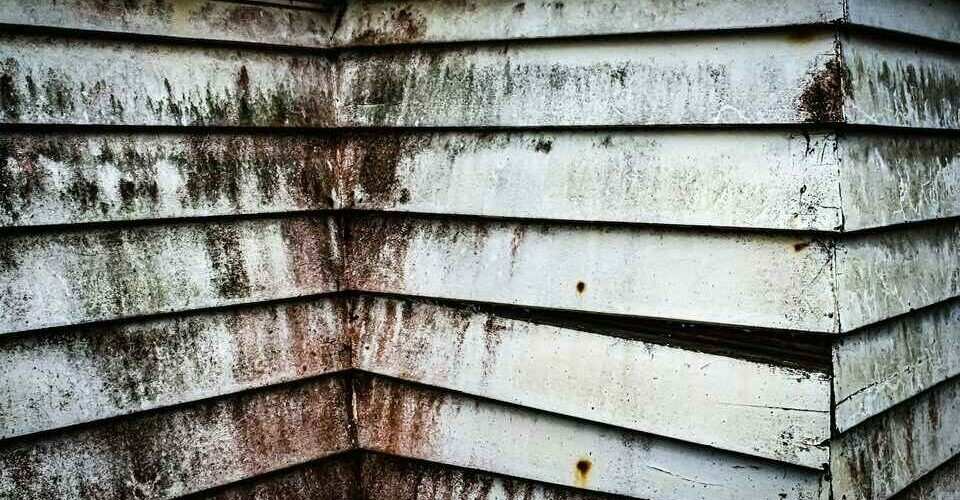
A mold problem in your apartment can start small. You may notice a damp patch on a kitchen wall, pink slime that won’t leave your shower no matter how much you scrub, a leaky window with dark patches around it, or a musty smell that lingers, no matter how much you clean. The problem may be mold, and it becomes an especially significant problem if you are immunocompromised or live with an elderly person or children. These groups are especially vulnerable to mold and may become ill from exposure. In rare cases, mold exposure can even cause serious or even fatal illness.
If your landlord refuses to act, you do have options. You can contact Flaxman Law Group for a consultation to explore what options exist in your specific situation.
Table of Contents
ToggleWondering What to Do If You Have Mold in Your Apartment? Why Many People in Your Situation Contact Flaxman Law Group
Many tenants reach out to Flaxman Law Group when they find themselves in a landlord-tenant dispute or when they find themselves harmed by unsafe housing. With over 60 years of combined experience, our family-run firm has represented people harmed by unsafe living conditions and landlord negligence. Clients work directly with attorneys Charles and Steven Flaxman, who bring decades of experience and a background in insurance adjusting and defense.
We get results for clients across a range of practice areas, including property damage and landlord-tenant disputes. We have helped clients break leases without penalties and we have helped clients secure compensation for their losses, including their medical bills and damaged property.
What our clients tell us they appreciate is the way we treat them like family. For us, treating clients like family means fighting hard for them but also treating them with care. This approach is reflected in our near-perfect Google rating. You’ll also see it when you reach out. When you call Flaxman, you speak to a Flaxman. We don’t pass you on to a call center and we reply to your questions and calls quickly. We even give you your attorney’s own cell phone number, so you always have a direct line to the person overseeing your case.
How To Recognize Mold in Your Apartment
Not all mold is visible. Still, there are signs that should get your attention right away:
- A musty or earthy odor.
- Black, green, or gray discoloration on surfaces or on your belongings.
- Water stains or bubbling paint.
- Persistent dampness or wet spots on surfaces.
- Recurring allergy or asthma symptoms that improve when you leave home.
- Persistent condensation.
If you notice any of these red flags, it’s time to start documenting them so you have evidence for your rental property mold claim later.
Immediate Steps To Take When You Discover Mold
Taking the right steps right away helps protect your health and your legal rights:
- See a doctor. If you suspect that mold may be affecting your health, see a medical professional who can create a treatment plan and who can document the link between mold and your medical symptoms.
- Keep people in your household safe. Avoid scrubbing or disturbing the mold, since this can release spores that you can breathe in. Keep children, anyone who is immunocompromised, elderly relatives, and pets away from the area. If the mold covers more than about 10 square feet it’s time for professional remediation, not a DIY cleanup.
- Document everything. Take photos and videos showing where the mold is located, how much there is, and any potential causes. Write down when you first noticed it. Dates matter in tenant compensation for mold cases, whether you have a property damage or premises liability claim.
- Check your belongings. Mold can spread onto clothing, furniture, curtains, and electronics. Note what’s been damaged and keep these items as evidence.
- Ventilate if possible. Run fans or open windows, but only if doing so doesn’t worsen the problem or expose you to outdoor humidity. You can also run an indoor air purifier or a dehumidifier to address mold spores and to reduce moisture. Keep in mind that these steps will not address the mold. Only a specialist can truly do that if there is mold inside the walls.
If you start coughing or feel dizzy, relocate temporarily if you can, especially if doctors confirm possible apartment mold health risks. However, you will want to consult with a toxic mold attorney before you do so. Breaking your lease or abandoning your home can have legal consequences, if not done in accordance with local laws.
Notifying Your Landlord and Documenting the Problem
Under both Florida and Colorado law, tenants must notify landlords promptly about conditions that make a property unsafe or uninhabitable. That notice triggers the landlord’s legal obligation to respond.
When you send your notice:
- Use written communication, not just a text or phone call.
- Include the date, describe the issue, and attach photos or videos.
- Ask the landlord to address the problem and include a date by which you expect the landlord to respond and address the issue.
- Keep a copy of any communication between you and your landlord for your records.
Be sure to note any delays in your landlord’s reply. A slow response can become key evidence later.
Landlords sometimes suggest tenants caused the problem through poor cleaning or ventilation. Don’t accept blame prematurely. Many mold problems stem from structural or plumbing issues that are part of the landlord’s maintenance duty.
If your landlord doesn’t act within a reasonable time or if their “solution” is just painting over the mold it may be time to speak with a mold exposure attorney. We can step in to communicate with the landlord. In many cases, we can negotiate a solution or even file a claim to get you compensation so you can move to safer housing.
When Is Mold a Serious Health Hazard?
Not every mold is “toxic,” but prolonged exposure to indoor mold can make you seriously ill. Some species, including black mold (Stachybotrys chartarum), release mycotoxins that irritate the respiratory system and can trigger chronic health problems.
You should take mold exposure seriously if you experience:
- Persistent coughing, sneezing, or wheezing.
- Sinus congestion or headaches.
- Fatigue or dizziness.
- Skin irritation or eye redness.
- Aggravated asthma symptoms.
Children, seniors, and anyone with allergies or weakened immune systems are especially vulnerable.
Tenant Rights and Legal Protections Against Mold Exposure
Tenants have clear legal rights when mold makes a property unsafe. Both Florida and Colorado require landlords to maintain “habitable” premises. This means a space that’s safe and fit to live in. Mold violations can constitute a breach of that duty.
Your tenant rights in mold apartments may include:
- The right to proper repairs and professional mold remediation.
- The right to withhold rent or terminate your lease in extreme cases.
- The right to pursue reimbursement for personal property loss or relocation costs.
- The right to medical or financial compensation if you became sick from exposure.
- The right to file a wrongful death claim, if you lose a family member due to toxic mold exposure.
Many tenants don’t realize how strong these rights can be. At Flaxman Law Group, we help renters assert them without fear of retaliation. We’ve handled disputes with landlords, and we know how to compel compliance when landlords and property management companies try to evade responsibility.
We recommend contacting a mold claims attorney instead of trying to fix it yourself. Unfortunately, in both Florida and Colorado, you may encounter legal problems if you try to solve this problem yourself. For example, if you take your landlord to small claims court to try to get compensation for your losses, you may only have part of your claim covered. If you try to withhold rent, you could be evicted unless you follow very strict legal processes. Our team can help you take action in a way that seeks the best possible outcome and also protects you from penalties.
Landlord Obligations to Address Mold in Rental Housing
Landlords are required to fix mold in their rentals. Their duties include repairing leaks, maintaining HVAC systems, inspecting and maintaining common areas, acting on reports of mold promptly, and using qualified contractors for apartment mold remediation.
A landlord’s failure to act may constitute negligence if:
- The mold stems from structural or plumbing problems under their control.
- They were notified but delayed repairs.
- They tried to cover up or superficially clean the area without proper remediation.
We’ve seen cases where landlords replaced drywall but never addressed the underlying moisture. Within weeks, the problem returned. We’ve also seen situations where a landlord blamed the tenant for a mold problem, or claimed that faulty construction materials were the culprit (in that case, the landlord may have a product liability claim). If that happens to you, it’s time to consult a mold exposure attorney who can ensure your landlord fulfills their legal duties.
What to Do if Your Landlord Refuses to Act on Mold Complaints
If your landlord won’t take your mold complaint seriously, you still have options. Here’s what to do next:
- Document every interaction. Save emails and texts. If your landlord calls or visits to discuss the problem, keep a written log of when the discussion happened and what was said.
- Request a professional inspection. Independent assessments help establish objective proof. They’re also the best way to determine the extent of mold you can’t see and to establish what strains of mold are present. In turn, this can help you better evaluate the risk to your health.
- Contact local housing authorities. Local authorities have health departments that investigate unsafe rental conditions. They also have resources that can help you determine what to do next.
- Seek legal guidance early. An attorney can negotiate remediation or pursue a rental property mold claim if necessary.
Our clients often contact us after weeks of getting nowhere with their landlord. We step in and use legal leverage to demand action or compensation.
Compensation and Legal Remedies Available for Tenants Exposed to Mold
When a landlord’s negligence causes mold growth and you suffer harm, you may be entitled to tenant compensation for mold. Depending on your situation, this can include:
- Reimbursement for damaged personal property.
- Payment for relocation or temporary housing.
- Coverage for medical bills and ongoing treatment of mold-related symptoms and medical conditions.
- Lost wages, if mold-related illness kept you from work.
- Emotional distress damages for unsafe living conditions.
In serious cases, you might also pursue punitive damages if the landlord acted recklessly or ignored multiple warnings. If you lose a loved one due to mold-related illness, you can pursue additional damages in a wrongful death claim.
How Attorneys Help Tenants in Mold-Related Disputes
A qualified attorney can manage the entire process of protecting your rights. At Flaxman Law Group, here’s what we do for clients facing mold issues:
- Investigate the source and cause of the mold.
- Work with environmental experts and doctors to link your health symptoms to exposure.
- Handle all communication with your landlord or insurance company.
- Demand professional remediation and fair compensation.
- Represent you in court if necessary.
We’ve recovered nearly $1 billion for clients over the decades. These are results on par with the biggest firms, delivered with small-firm attention. When you work with us, you’ll never feel like a case number.
And because we have offices across South Florida and serve clients throughout Colorado, help is always close by. We also offer support in English, Spanish, and Creole, so you can speak with your attorney in the language that feels most comfortable.
If you’re wondering what to do if you have mold in your apartment, your next step is simple: reach out for a consultation. We’ll review your situation and then help you understand exactly where you stand.