
Homestead FL Toxic Mold Lawyers

Table of Contents
ToggleMold is a type of structure that fungus can form. When you go hiking in South Florida, you may encounter mold spores in nature, but when you have mold in the home you may be breathing in the tiny spores that mold uses to replicate. This can cause health problems, especially if you are immunocompromised or sensitive to mold.
Mold is a frequent cause of landlord-tenant disputes in Florida and part of personal injury and tort claims filed by homeowners. If you have been harmed by mold in your home or you are renting a property where the landlord is not taking your concerns seriously, contact Flaxman Law Group for a consultation with our Homestead, FL toxic mold lawyers. We can review what options you may have.
How Our Homestead Toxic Mold Lawyers Can Help You
There are many Homestead, FL toxic mold lawyers, but at Flaxman Law Group we created our law firm because we saw a need for effective and compassionate representation for individuals affected by toxic mold.
Here’s how Flaxman Law Group helps:
- You get direct access to your attorney. When you call, you consult directly with Charles or Steven Flaxman, instead of junior staff. Your attorney will oversee your case from start to finish, and you will have your attorney’s cell phone, so you have a direct way to connect.
- We handle the details. We work with environmental experts, contractors, and medical professionals to build evidence that connects the dots between negligence and harm. We also communicate with insurance companies on your behalf, so you don’t have to worry about annoying calls. With our insider knowledge of how insurance companies think, we anticipate their tactics and press for full compensation.
- We handle more than most firms are willing to. From helping you line up remediation professionals to guiding you toward trusted doctors, we support clients beyond the legal paperwork.
- We treat you like family. Our law firm is family-based, with a father-son attorney team. We fight for you like we’d fight for a member of our own family and our compassionate legal team always treats you with care, replying to you quickly. Our near-perfect Google ratings reflect our commitment to our clients.
- We’re ready to take the case to trial if needed. Many mold cases settle, but when insurers refuse to be fair, we’re ready to fight in court. We have recovered nearly one billion dollars for our clients, including multi-million-dollar settlements and verdicts, so we are not afraid to face large corporations and insurers in court.
At Flaxman Law Group, we’re ready to seek justice and compensation for you. The difference is that we treat you like family while we protect your best interests. That’s what makes our Homestead, FL toxic mold lawyers stand out.
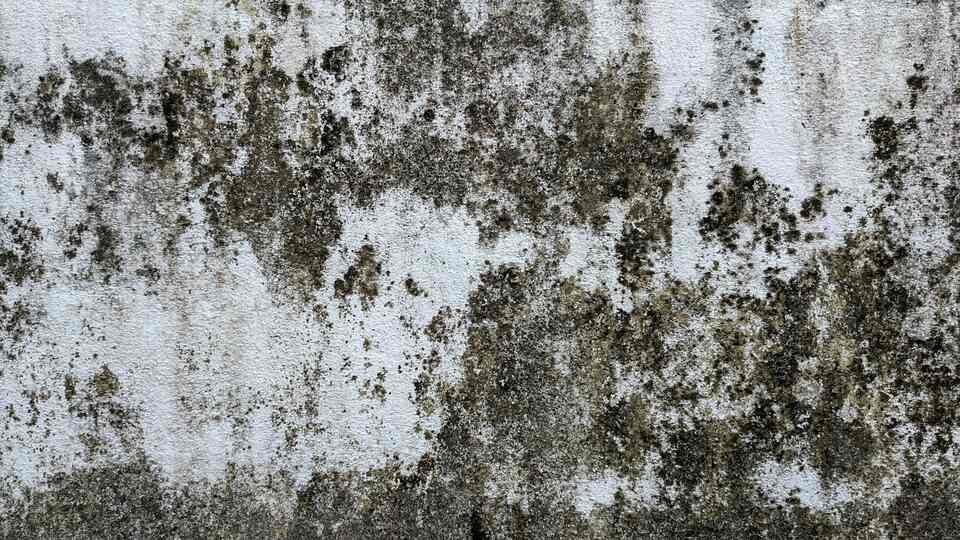
Understanding Toxic Mold and its Dangers in Homestead
When most people in Homestead think of household dangers, they picture hurricanes or flooding, but toxic mold is a more common and persistent threat for most South Florida homeowners and tenants. With year-round humidity, seasonal storms, and older housing stock, Homestead properties are uniquely vulnerable.
A small roof leak after a summer thunderstorm or water damage from a past hurricane can set the stage for dangerous mold growth. Homestead’s humid, warm climate creates the perfect environment for mold growth, so a small mold problem can quickly become out of control.
Mold isn’t always obvious. You may notice a musty smell or see small black spots on drywall, but often mold is growing behind baseboards, under tile, or inside HVAC ductwork long before you see it. By the time it’s visible, the damage may already be extensive.
Families dealing with toxic mold often face health problems and a home that feels unsafe. At Flaxman Law Group, we understand the stakes because we’ve walked through these situations with South Florida families for decades. Our father-and-son attorney team has deep roots in the Homestead community, and we’re passionate advocates for safe housing.
Health Issues Commonly Caused by Toxic Mold Exposure
The CDC and Florida Department of Health both recognize mold exposure as a significant hazard, and it can lead to serious health concerns. Common health problems that can be caused by or exacerbated by mold include:
- Respiratory issues. Among the most common symptoms of mold exposure include chronic cough, wheezing, or shortness of breath. Children with asthma often see symptoms worsen dramatically.
- Allergic reactions. Some people are sensitive or allergic to mold and may experience sneezing, runny nose, itchy eyes, or skin irritation that persists even with over-the-counter treatment.
- Neurological effects. Prolonged exposure can cause headaches, fatigue, difficulty concentrating, and even mood changes.
- Severe risks for vulnerable groups. Seniors, infants, and anyone with a compromised immune system are particularly at risk. In rare cases, hospitalization is required.
One challenging thing about mold exposure is that symptoms are subtle and some members of the same household may not experience symptoms at all. A child in a household may experience frequent asthma attacks and it may not be obvious that they are being affected by mold, especially if there are no black spots or obvious signs of mold in the home.
How Toxic Mold Problems Arise in South Florida Homes and Rentals
Mold exposure in homes is a national issue, but in Homestead, the climate makes it far more common. Our subtropical environment creates perfect conditions for mold. Here are the leading causes we see:
- Hurricane and storm damage. After storms like Hurricane Irma, many Homestead homes suffered roof leaks, property damage, or flooding. If repairs were rushed or skilled, hidden mold may linger for years.
- Everyday leaks. A dripping pipe behind the wall or a poorly sealed window can allow water intrusion that spreads undetected.
- Air conditioning issues. South Florida homes rely on AC, but older or improperly maintained units can cause condensation that feeds mold inside ducts.
- Poor construction practices. Missing vapor barriers, poor ventilation, incorrectly installed plumbing, or substandard materials can allow moisture to accumulate.
- Neglect by landlords or property managers. Tenants often report water damage that goes ignored. By the time repairs are made, mold has already taken hold.
Mold rarely “just happens.” Usually, there are conditions that allow for the organism to take hold, but it is inaction and inattention that allows mold exposure to happen.
Determining Who is Responsible for Toxic Mold Damage
While mold is an organism that grows in nature, when it is found in homes (especially in such abundance that it causes property damage and health concerns), there may be multiple liable parties. Depending on your situation, at-fault parties may include:
- Landlords. Landlords and property managers must provide safe, habitable housing. If you are a tenant and your landlord, the property management company, or the building manager fails to repair leaks, they can be held liable.
- Builders and contractors. These parties may be responsible if shoddy workmanship caused the conditions for mold to develop. If you are a homeowner, for example, and you hired professionals to complete renovations, that company may be held liable if their work was shoddy and caused property damage and health issues.
- Homeowners’ associations (HOAs). In some cases, HOAs can be liable if mold stems from neglected common areas like roofs, exterior walls, or shared plumbing lines.
- Employers. Your home is not the only place you may be exposed to mold. In some cases, you may have a workers’ compensation claim or a third-party claim if you are exposed to toxic mold at work.
- Manufacturers. In rare cases, the companies that design and manufacture home building equipment, including plumbing pipes, may be held liable if their products are poorly designed and contribute to mold.
In many cases, insurance companies are often central players in mold and personal injury claims. If you hired contractors, for example, your claim may be against the insurance company the contractors used for their policy. Many of these insurance companies try to deny or minimize mold claims, arguing the damage wasn’t sudden or was excluded under the policy.
At Flaxman Law Group, our attorneys spent years working inside the insurance industry before turning to represent injured families. We know the tactics insurers use to avoid paying. We also know how to build cases that force them to take responsibility.
Contact Flaxman Law Group Today
Get answers to your landlord-tenant questions. Our team is here to help you understand your rights and explore your options.
Tenant and Homeowner Rights Under Florida Law
Mold is a frequent cause of landlord-tenant disputes. State law requires landlords to maintain rental units in livable condition. Mold from leaks or poor maintenance can qualify as a violation. Tenants may be entitled to demand repairs, withhold rent, terminate the lease, or pursue damages for losses.
Homeowners, too, enjoy protections. Insurance policies generally cover water damage that leads to mold, but exclusions and policy language often cause disputes. Homeowners also may have claims against contractors, builders, or HOAs if negligence caused the mold.
Whether you are a tenant or homeowner, if your mold exposure was caused by someone’s negligence and if you suffered significant harm, such as illness or property damage, you may have a claim. You may be able to seek compensation for your losses.
Proving Negligence in a Toxic Mold Injury Claim
To recover compensation, you need to show that another party’s negligence created the conditions that allowed mold to spread and cause harm. This requires more than pointing to mold spots on drywall. Strong cases include:
- Expert reports from environmental specialists who can trace the source of water intrusion.
- Medical documentation showing a connection between exposure and health issues.
- Photographs and videos of the affected areas over time, showing property damage.
- Paper trails of complaints, maintenance requests, or denied insurance claims.
- Receipts for mold testing, medical care, and other expenses you have had to pay because of mold in your home.
At Flaxman Law Group, we know what evidence courts and insurers take seriously. Because we’ve worked inside the insurance industry, we understand how companies challenge mold claims, and we prepare your case with those tactics in mind. We work with engineers, expert medical witnesses, and other professionals who can prove that mold exists in your home, has affected you, and needs to be addressed.
Compensation You May Be Entitled to in a Mold Case
Families dealing with toxic mold often face steep expenses stemming from medical problems, temporary housing, and property loss. Compensation in a mold claim can help restore stability by covering:
- Medical bills. You may be able to seek damages for doctor visits, hospitalizations, respiratory treatments, and long-term care for asthma or other chronic conditions triggered by mold.
- Lost wages. If health issues prevent you from returning to your job, lost wages and future lost earnings may be recoverable.
- Property damage. Mold can destroy furniture, clothing, electronics, and family keepsakes. In severe cases, entire sections of a home need replacement. Compensation can pay for mold remediation, property damage, and climate control systems that can prevent future mold.
- Temporary housing and relocation costs. You may need to stay in a short-term rental while your home is remediated. Compensation can help pay for this, storage for your possessions while remediation is ongoing, and relocation costs if you cannot return home.
- Pain and suffering. The physical toll of chronic illness combined with the stress of displacement is compensable under Florida law.
Every case is unique, and remedies may vary. For example, if you are a tenant we may be able to help you break your lease without penalty and secure compensation for medical bills and for relocation to a safer home. If you are a property owner, your main concern may be to secure damages so you can repair the damage to your home. At Flaxman Law Group, we seek the outcome that will best serve your needs.
Steps To Take if You Suspect Mold
The first step is to determine that mold is present. You may notice wet patches on your walls or ceilings, a musty smell, or patches of black or pink on your shower curtains, walls, or possessions. If you think you may have mold, here’s what to do next:
- Protect your health first. Mold exposure can cause severe symptoms in children, seniors, and those with asthma. Seek medical help quickly, both to get treatment and to start documenting your illness. Make sure your provider notes potential mold exposure in your records.
- Document everything. Take photos and videos of the mold, water damage, and surrounding conditions. Date and label them if possible.
- Notify the responsible party in writing. Tenants should notify landlords or property managers. Homeowners should alert their insurance company immediately. Keep copies of all communications and any receipts related to .
- Don’t attempt major cleanup alone: While wiping down small spots is fine (although you should always wear a mask when doing so), large or hidden mold infestations require professionals. DIY efforts can spread spores and expose you to more mold.
- Call an attorney. If your landlord ignores complaints or your insurer denies coverage, legal representation can help you avoid mistakes and protect your claim.
If at any point you don’t know what to do next, the Hollywood, Homestead, and Miami offices of Flaxman Law Group are here for you. Contact our team for a consultation.
Why Choose Flaxman Law Group for Toxic Mold Claims
Choosing a lawyer for a mold claim is about finding a team that understands you and your needs and is ready to seek maximum compensation. Here’s why families across South Florida turn to us:
- We’re a family-run firm. When you call, you speak with a Flaxman. That personal connection means you’ll always know who’s handling your case.
- 60+ years of combined experience. We’ve spent decades in South Florida courtrooms and across insurance negotiations. We know how to push for maximum compensation.
- Insurance insider perspective: Having worked on the other side, we know how insurers try to minimize mold claims, so we are always prepared to counter those tactics.
- Nearly $1 billion recovered. Our track record rivals big firms, but we deliver results with personal care and direct attorney access.
- Full-service support. From helping you line up temporary housing after a mold evacuation to connecting you with medical specialists, we go beyond the legal case to help you.
- Trusted reputation. With a near-perfect 4.9-star rating on Google and decades of community presence, we’ve earned the trust of Homestead residents and beyond.
Having a legal team that treats you like family while delivering big-firm results can make the process less daunting. We’ve built our legal team to make sure you get the support you deserve.
Contact a Homestead Toxic Mold Attorney Today
If you’re dealing with toxic mold in your Homestead home, apartment, or condo, contact Flaxman Law Group for a consultation. We’ll review your situation, explain your options, and help you decide on the next steps. The sooner you act, the sooner we can help you protect your health and your home.
CASE REVIEW
50+ Years of Combined Experience,
Personal Attention to Every Case
Landlord-Tenant Dispute Results
Successfully recovered significant compensation for a disabled client after building management failed to repair a broken elevator, leaving the client trapped in their home.
Secured a lease termination and $10,000 for a tenant to cover legal fees and moving expenses after their home was found to have a severe mold infestation.
Testimonials
Homestead Practice Areas
- Homestead Personal Injury Lawyers
- Homestead Boating Accident Lawyers
- Homestead Bus Accident Lawyers
- Homestead Birth Injury Lawyers
- Homestead Brain Injury Lawyers
- Homestead Car Accident Lawyers
- Homestead Construction Accident Lawyers
- Homestead Child Injury Lawyers
- Homestead Landlord-Tenant Dispute Lawyers
- Homestead Motorcycle Accident Lawyers
- Homestead Pedestrian Accident Lawyers
- Homestead Toxic Mold Lawyers
Landlord-Tenant Dispute Clients Often Ask Us
These Important Questions
A landlord can typically keep all or part of your security deposit to cover unpaid rent, damage beyond normal wear and tear, or other lease violations. However, they must provide an itemized list of deductions and return any remaining amount within a specific timeframe, as required by local laws.
With a proven track record and a client-focused approach, we strive to make the legal process as stress-free as possible. Trust our offices in Colorado and Florida to provide honest representation throughout your landlord-tenant dispute. Contact Flaxman Law Group today so we can assist you with your landlord-tenant issue.
Landlords must always provide notice and cannot evict without going through proper court process, unless the lease or local laws specify otherwise. For example, in cases of criminal activity or immediate danger to the property, the landlord may proceed with an expedited eviction. Always check your lease and local tenant laws for specific requirements.
If your landlord fails to address necessary repairs after you've notified them in writing, you may have options such as:
Withholding rent (where allowed by law).
Making the repair yourself and deducting the cost from your rent. Reporting the issue to local housing authorities.
Seeking legal remedies in court. Document all communication and the condition of the property to strengthen your case.
The length of the eviction process varies depending on local laws and the circumstances of the case. It can take anywhere from a few weeks to several months. Generally, the process involves:
- A formal notice period.
- Filing of an eviction lawsuit.
- A court hearing.
- Enforcement of the eviction by local authorities, if necessary.
- Tenants may appeal or request delays, which can extend the timeline.
Landlord-Tenant Practice Areas




Broad Experience in Landlord-Tenant Disputes
Skillfully navigated complex landlord-tenant conflicts, advocating for fair resolutions and protecting clients’ rights in rental and lease agreements.
Protecting Tenant Rights:
Helped hundreds of tenants recover withheld security deposits, terminate leases, transfer units, or obtain alternative housing in cases involving habitability issues.
Preventing Wrongful Evictions:
Represented tenants to successfully block unlawful eviction attempts, ensuring their housing rights were upheld.
Advocating for Landlords:
Assisted landlords in evicting problematic tenants and recovering compensation for property damages, lost income, and other related losses.